

Browse docs
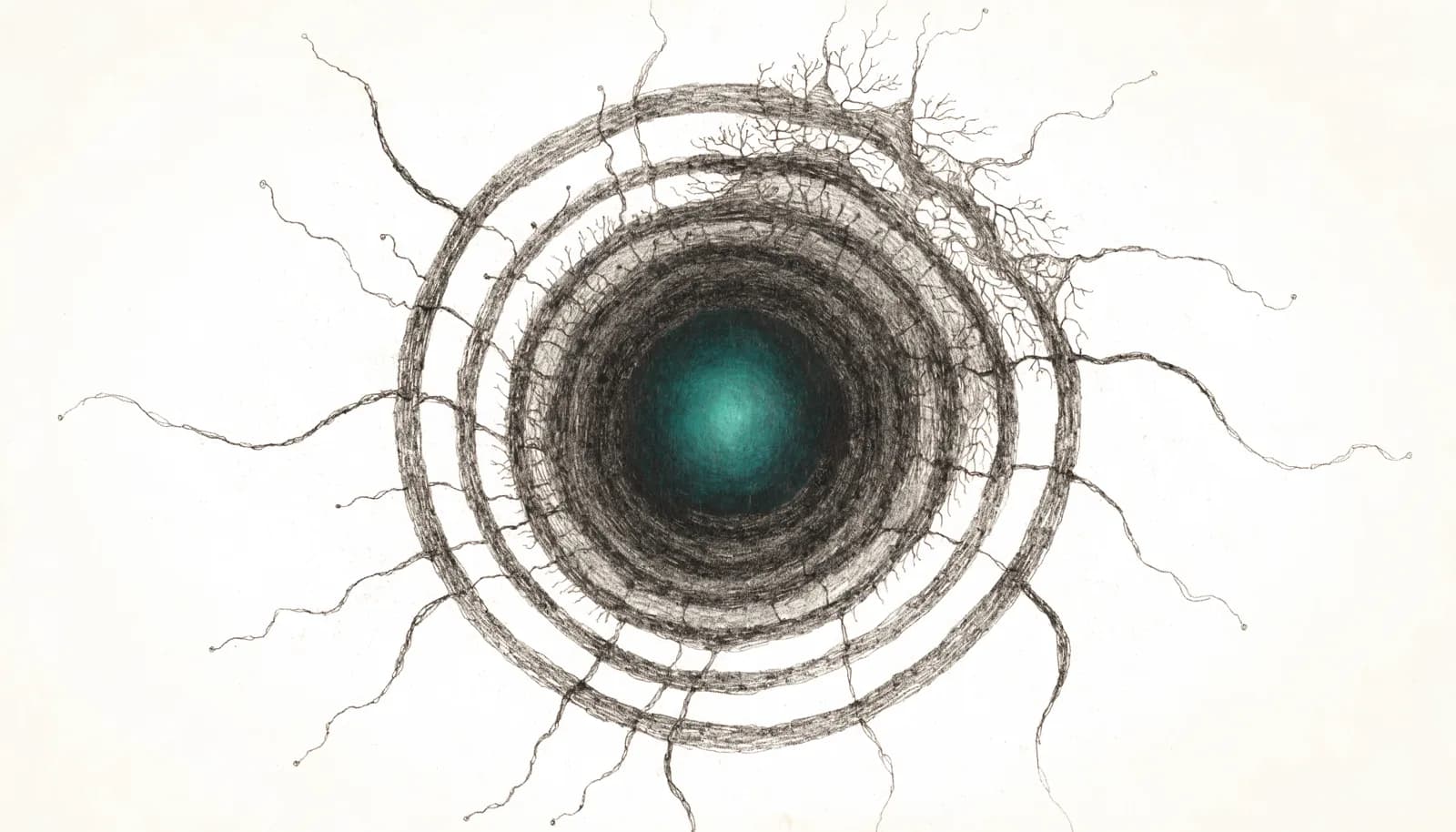
The Living Brand
A brand is not something you have — it is a living system you operate. A study built with Claude: meaning, story, signal, experience, trust, intelligence, and evolution — one chapter at a time, each blended with real research.
The Brand Left the Building
Same logo, same palette, opposite brands. A brand isn't the mark on the door — it's the living system of meaning, experience, trust, and intelligence underneath it. Here is the anatomy this whole study is built on, and the science that says it's real.
From Mark to System
Every branding story starts with a rancher and a hot iron. The record says otherwise — and the truth is stranger and more useful. Four eras: Mark, Identity, Experience, System. None of them ended. Most companies still manage in the second while their customers already live in the fourth.
Position Before Pixels
Most rebrands begin at the wrong end — mood boards before meaning, pixels before position. This chapter installs one discipline: answer "why you, and not the alternative?" before you design a thing. The Positioning Matrix, the Meaning Core, and one uncomfortable test — could a competitor sign your positioning statement? — plus an honest reckoning with where positioning ends and memory begins.
The Mind on the Other Side
A position that is never retrieved does not exist. This chapter crosses to the other side of the screen: how memory actually behaves — cue-dependent, reconstructive, and decaying by default — and what that demands of a brand. Recognition versus retrieval, the spacing effect, category entry points, distinctive assets, an honest reckoning with which parts of "unconscious branding" survived the replication crisis, and T2 — the Memory Map.
The Story a Stranger Can Retell
Every storytelling talk opens with the same number: a fact wrapped in a story is twenty-two times more memorable. There is no study behind it. This chapter starts by dismantling that, then prints the real figure — narratives move beliefs by about r = .19, and the behaviours cell everyone quotes rests on five studies. What transportation actually explains, which storytelling neuroscience failed to replicate, the six emotional shapes and what they do not license, and T3 — the Retelling Test.
The Surface That Arrives First
Every branding deck opens with the same number: colour increases brand recognition by 80%, credited to a university study. The university's papers do not contain it — it comes from a printer company's sales leaflet. This chapter dismantles that, then prints what is actually measured: a visual judgement forms in 50 milliseconds and stays put, attractive interfaces are judged easier to use before anyone uses them, and a 2023 result suggesting the mechanism is fluency rather than beauty. Ends with T4, the Flash Test.